
Equipment Storage Solutions for Synthetic Slings
The Hidden Cost of Improper Sling Storage
The Gulf Coast environment is hostile to mechanical equipment, but it is even more aggressive toward synthetic materials. While wire rope can withstand significant abuse, synthetic web slings and round slings are vulnerable to environmental factors that do not affect steel. Every rigger knows the frustration of reaching for a strap only to find it stiff, faded, or covered in grease. Leaving synthetic slings on the floor, hanging them on rusty nails, or exposing them to direct sunlight in the back of a truck degrades their working load limit rapidly.
When a synthetic sling fails due to UV degradation or chemical burns, the cost is not just the replacement of the sling; it is the potential for a dropped load, an OSHA recordable incident, or a failed safety audit. You need a storage strategy that protects your investment and ensures that when you pull a sling for a critical lift, it performs exactly as the manufacturer intended.
Extending Sling Life Through Proper Management
Rigging is an engineered asset that requires care. We have spent over five decades serving the energy and industrial sectors, and we have seen how improper storage leads to premature equipment failure. We solve this problem by providing storage solutions that address the specific chemical and physical vulnerabilities of synthetic fibers.
We function as an extension of your safety department, helping you design a rigging locker or tool crib that segregates synthetics from damaging agents. Unlike wire rope, which requires lubrication, synthetic slings must be kept clean, dry, and cool. Our team helps you select the right cabinetry, racking, and transport bags to ensure your gear remains compliant with ASME and OSHA standards from the moment you buy it until the day you retire it.
Why Synthetic Slings Require Specialized Care
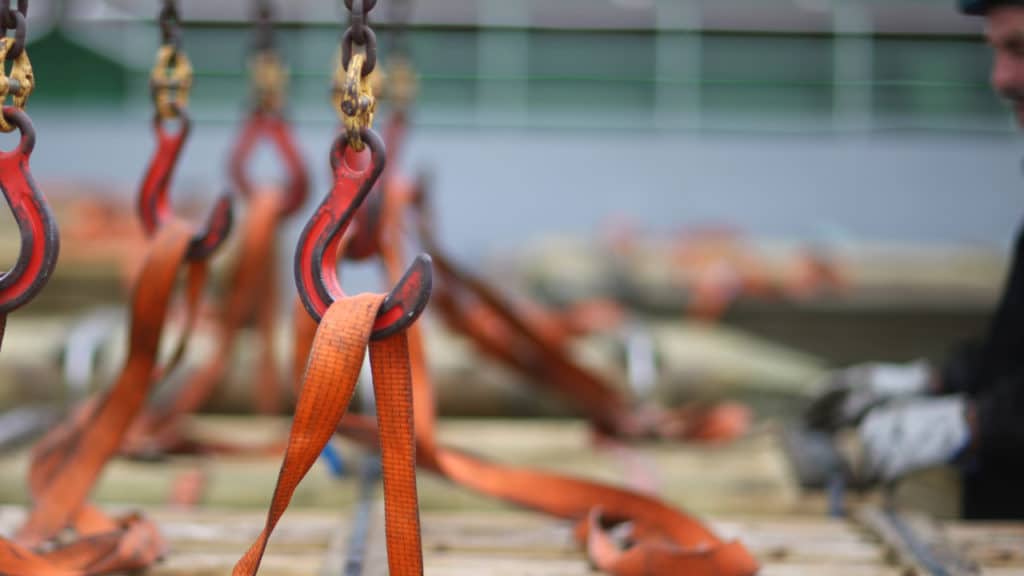
Storing synthetic slings requires a different approach than storing wire rope or chain. Understanding the specific threats to nylon and polyester fibers helps you select the right equipment storage solutions.
- Protection from Ultraviolet (UV) Light: In the heavy industrial sectors of the Gulf Coast, the sun is a primary enemy of synthetic gear. Prolonged exposure to sunlight causes UV degradation, which bleaches the color of the sling and makes the fibers brittle. A faded sling is often a rejected sling. Unlike steel, which is immune to UV, synthetic slings must be stored in opaque cabinets, lockboxes, or UV-resistant bags when not in use.
- Segregation from Chemicals and Fumes: Chemical plant environments are full of caustic fumes and residues. Nylon is susceptible to acids, while polyester can be damaged by aldehydes and ethers. Wire rope is often stored with lubricants, but storing synthetic slings next to leaking grease drums or solvent cans invites chemical burns that dissolve the load-bearing fibers. Proper storage involves dedicated bins or high-mounted racks that physically separate synthetics from liquids and maintenance fluids.
- Mechanical Protection: Wire rope is abrasion-resistant, but synthetic slings can be cut by sharp edges in your own warehouse. Hanging a synthetic sling on a rusty nail or a sharp metal hook creates a stress concentration point that can cut the fibers before the lift even begins. Effective storage solutions utilize wide-radius pegs or smooth-surfaced racks that distribute the weight of the sling evenly, preventing creases and cuts.
Streamline Your Operations with Professional Storage
A disorganized rigging locker is a liability waiting to happen. By implementing professional equipment storage solutions from Southwest Wire Rope, you eliminate the “treasure hunt” for safe gear. You replace a pile of tangled, dirty straps with an organized system where every asset is visible, clean, and ready for deployment.
Your turnarounds will run smoother because your crew won’t waste time inspecting slings that should have been discarded months ago. You gain the peace of mind that comes from knowing your gear is protected by the same level of expertise that has supported the Gulf Coast industry since 1966. Treat your synthetic slings with the same respect you treat your cranes, and they will serve you safely for years to come.